 DanceLocate
Dancing With Wide Feet: How to Find Shoes That Don’t Hurt
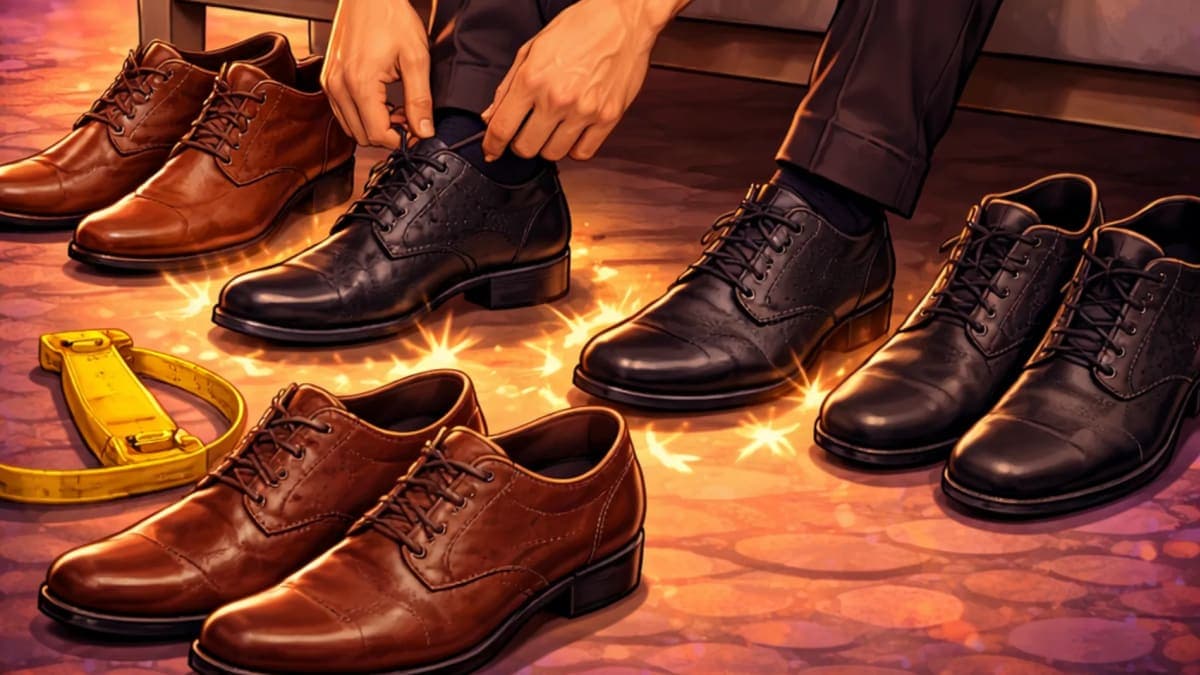
If you have wide feet, dance shoes can feel like a quiet personal betrayal. You walk into a store excited to dance, try on shoe after shoe, and slowly realize none of them were made with your feet in mind. Sales staff suggest sizing up, breaking them in, or “just getting used to it.” You dance anyway, because you love it. You tolerate the pain until one night you decide this cannot be the price of joy anymore.
The problem is simple and frustrating. Most dance shoe brands do not carry wide sizes, especially for Latin dancing. But dancers are practical, and over time people figure out workarounds that actually work. These are not perfect solutions, but they let you keep dancing comfortably, safely, and longer than before.
1. Buy Slightly Oversized Shoes and Use Heel Grips
When wide sizes are unavailable, many dancers choose to buy shoes that are slightly oversized and then fix the fit themselves. The goal is to give the forefoot enough space to relax while controlling movement at the heel.
Heel grips and gel heel pads reduce slipping and help stabilize the foot so it does not slide forward. This matters because when your foot slides, pressure builds at the ball of the foot and creates pain very quickly. Padding the heel can surprisingly solve both issues.
This approach works particularly well with flexible shoes like dance sneakers or more forgiving Latin practice shoes. Models similar to Fuego-style sneakers or Targa-style shoes tend to respond well to this adjustment because they are not rigidly structured.
It is not glamorous. It is practical. For many dancers, this is the first time they finish an entire social or festival night without counting songs until they can sit down. Comfort becomes the difference between dancing occasionally and dancing freely.
2. Use Amazon Search Filters to Find Wide Latin Dance Shoes
Most dancers do not realize that wide Latin dance shoes exist simply because they rarely appear in specialty dance stores. Large marketplaces quietly carry them, but you have to search correctly.
On Amazon, searching for “latin dance shoes” and immediately applying the wide or extra wide filter can surface options that would otherwise stay invisible. Many of these shoes are functional rather than flashy, but for wide-foot dancers, function is often the win.
This method takes patience. Reviews matter, and returns are part of the process. Still, the emotional shift is real. Instead of forcing your feet into shoes that hurt, you are finally choosing from what actually fits.
For dancers who have spent years thinking wide shoes were not an option, seeing listings labeled “wide” can feel oddly validating. It turns a constant compromise into a choice.
3. Turn Any Comfortable Shoes Into Dance Shoes
Some dancers eventually stop hunting for the perfect shoe and start adapting what already works. Using fabric or suede dance shoe covers, you can turn many regular shoes into dance-friendly footwear.
These covers slip over the sole, give you controlled spins, and remove the fear of sticking to the floor. They are lightweight, easy to pack, and ideal for socials, festivals, or travel. If you already own shoes that fit your wide feet well, this solution can be freeing.
Durability varies. Some covers last months, others barely survive a weekend. But for dancers prioritizing comfort over tradition, this tradeoff is worth it.
This solution often marks a mental shift. You stop asking whether your feet are acceptable for dance shoes, and instead make dance shoes work for your feet. For many people, that change alone brings relief.
4. Use DIY Suede Liners Inside Shoes
For dancers willing to do a small amount of DIY, suede liners can transform shoes that feel almost right but still cause slipping or heel pain.
Adding a suede liner to the insole increases friction and prevents the foot from sliding forward. This redistributes pressure, improves balance, and often reduces heel and forefoot pain at the same time. The materials are easy to find online and the process only requires careful measuring and glue.
This solution feels personal because it is personal. You are modifying the shoe to match your foot, not the other way around. That sense of control matters after years of feeling excluded by standard sizing.
It will not fix a truly narrow shoe, but when it works, it feels like reclaiming something that should have been simple from the start.