 DanceLocate
The Salsa Dance Scene Has a Homophobia Problem
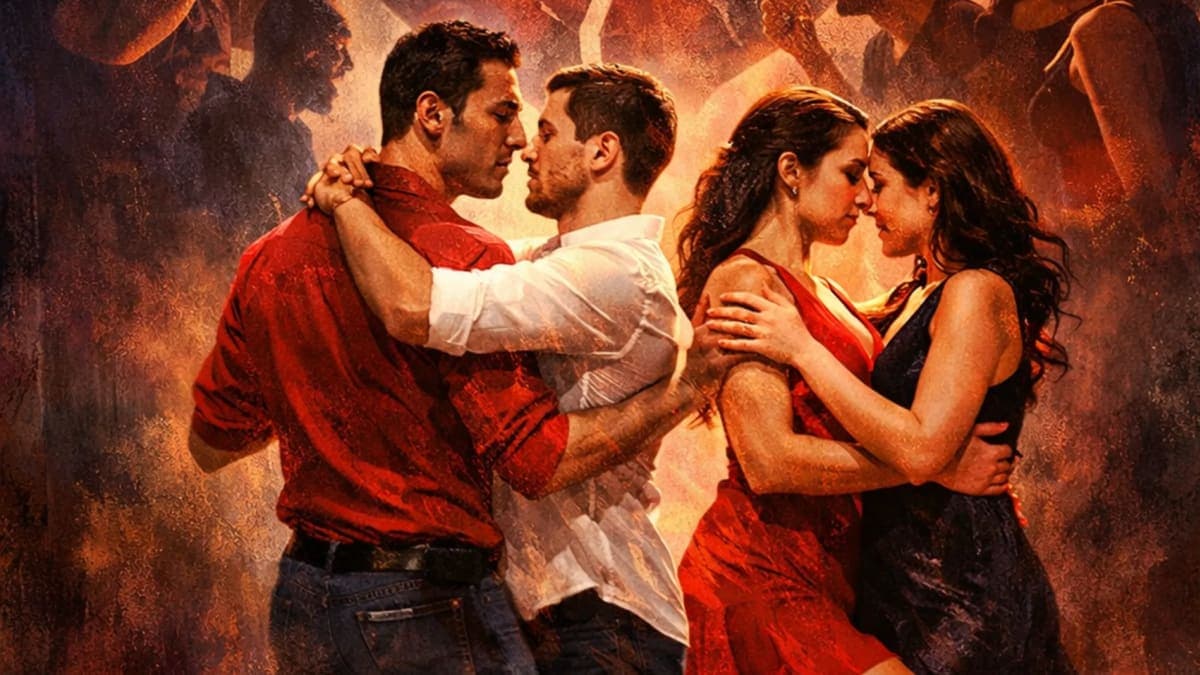
The Latin dance world loves to brag about being a "global family." We talk about connection, "sentimiento," and the universal language of rhythm. But walk into any Salsa, Bachata, or Kizomba social in North America, and you’ll see the truth: The scene is a fragile, gender-policed fortress that is decades behind the rest of the world.
While other dance communities have evolved, the Latin scene remains obsessed with a rigid, 1950s brand of "Aggressive Heterosexuality." And let’s be honest—it’s mostly the men who are the problem.
The Double Standard: "No Homo" in the 2/3 Clave
We see women dancing with women at every social. It’s considered "normal," "practice," or even "sexy." But the moment two men step onto the floor together, the vibe shifts. The room goes quiet, the side-eye starts, and the "macho" posturing kicks into high gear.
In the Latin scene, men are expected to be the "Alpha Leads" or nothing at all. Even in "progressive" hubs like Toronto or New York, two men dancing together is treated as a freak show or a political statement rather than just two people enjoying a song.
The Kizomba Paradox
Nowhere is this more pathetic than in the Kizomba scene. We frequently have a massive surplus of women sitting on the sidelines because there aren't enough "male leads" to go around. Yet, the men would rather stand against the wall with a beer, watching the floor, than dance with a male friend. They would rather the social die of boredom than risk a three-minute dance that might "threaten" their masculinity. It’s not about the music; it’s about the performance of being straight.
The Stigma: It’s Not Just the Men
Let’s take a potshot at the follows, too. Women in this scene are often the biggest gatekeepers of this homophobia. I’ve seen women actively stigmatize men who dance with other men. If a guy is seen following or leading another guy, he is immediately labeled, "othered," or viewed as "less of a lead" by the women in the room.
Men are terrified to dance together because they know the women are judging their "market value" as a man based on who they hold.
Violence and the "Old Guard"
This isn't just about "vibes." It gets ugly. I have seen older men react almost violently to being asked to dance by another man. They don't just say "no thanks"; they act like they’ve been insulted. They treat a dance invitation as a threat to their honor.
This toxic environment has real-world consequences: Trans women are almost entirely absent from the mainstream Latin scene. I’ve spoken to several trans women who have told me point-blank: The Latin dance scene is unwelcoming and dangerous for them. They stay out because the "Macho" culture is too high-pressure and too unforgiving.
Look at the festival posters. Where are the male-male pro couples? They don't exist. People have tried to bring "Same-Gender" lead/follow workshops to North American congresses, and they’ve been practically booed out of the room. The industry refuses to promote it because they’re afraid of the "Old Guard" taking their money elsewhere.
The Swing Contrast: Why Are They Smarter Than Us?
If you want to see how a healthy scene looks, go to a Swing social. In the Swing world, "Same-Sex" dancing is a total non-issue. You will see two guys swinging out, laughing, and pushing the technical boundaries of the dance. Nobody cares.
In Swing, it’s a social hobby. In Salsa, it’s a masculinity contest
The Bottom Line We are holding the culture back. We are keeping the scene small, stagnant, and bigoted. If your "manhood" is so fragile that it can't survive a Salsa On2 with another man, you aren't a dancer—you're an insecure guy in shiny shoes.
It’s time to grow up. The dance floor is for dancing. If you can't handle that, stay home.